

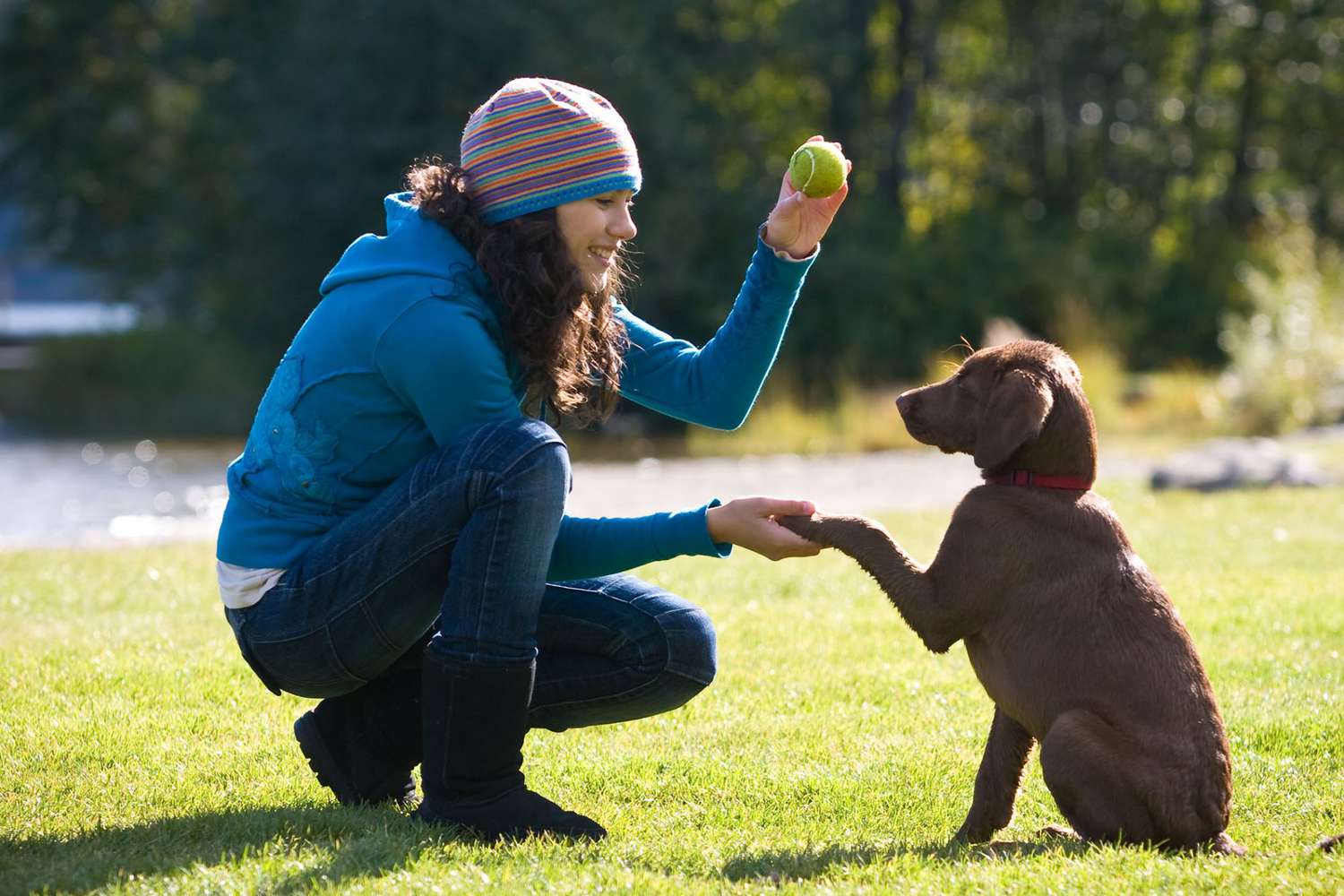
Choosing a dog board and train facility is a significant decision for any pet owner. The right facility goes beyond basic obedience; it creates a structured environment where dogs can develop confidence, social skills, and lasting behavioral improvements. Many dogs struggle with issues like excessive barking, separation anxiety, or leash reactivity, which can impact daily life. A professional board and train facility addresses these challenges using proven training methods, experienced supervision, and personalized programs.
Investing in such a facility ensures that a dog receives focused attention without the distractions of home life, allowing faster learning and better outcomes. Trainers use positive reinforcement techniques, reward-based strategies, and consistent routines to create sustainable behavior changes. The experience gained in a professional setting often sets the foundation for a lifetime of well-mannered behavior and stronger communication between dog and owner.
Benefits of a Dog Board and Train Facility
Enrolling a dog in a professional board and train facility provides measurable benefits that extend well beyond basic commands:
- Structured Training Programs: Programs are tailored to each dog’s age, breed, temperament, and specific behavioral needs. From basic obedience to advanced manners, training is organized for efficiency.
- Professional Supervision: Experienced trainers observe subtle behaviors that might go unnoticed at home. Trainers can identify triggers for anxiety or aggression and adapt techniques accordingly.
- Safe and Controlled Environment: Facilities are designed to minimize distractions and hazards, providing a safe space for dogs to learn socialization skills and controlled interactions with other animals.
- Accelerated Learning: Intensive training schedules allow dogs to focus fully on learning tasks, often achieving in weeks what might take months at home.
- Owner Education and Support: Trainers provide guidance, instructional materials, and follow-up support to help owners reinforce skills learned in the facility.
Dogs experience reduced stress, improved social skills, and better communication with their owners when enrolled in a program designed for both their individual needs and long-term success.
Choosing the Right Dog Board and Train Facility
Selecting a facility is critical to achieving lasting results. Consider these factors before enrolling a dog:
- Trainer Credentials and Experience: Look for trainers certified through recognized organizations, such as the International Association of Canine Professionals (IACP) or the Certification Council for Professional Dog Trainers (CCPDT). Experience with behavior modification, reactive dogs, and multi-dog households is especially valuable.
- Training Philosophy: Facilities emphasizing positive reinforcement, reward-based methods, and humane guidance create better long-term results than those relying on punishment-based approaches.
- Facility Standards: A clean, secure, and well-maintained facility supports the health and safety of dogs. Proper fencing, climate control, and sanitation protocols are essential.
- Communication and Updates: Facilities that provide daily updates, video clips, or progress reports help owners stay connected and reinforce lessons at home.
- Post-Training Support: Ongoing guidance after the program ensures behaviors are maintained. Some facilities offer refresher sessions or consultation calls for continued support.
Visiting facilities, observing training sessions, and asking for references can provide insight into the quality of programs. Transparency, professionalism, and a clear structure are hallmarks of effective dog board and train operations.
Key Features of an Effective Dog Board and Train Facility
Certain features distinguish high-quality facilities from average programs:
- Individual Behavior Assessment: Initial evaluations identify a dog’s strengths, challenges, and learning style.
- Customized Daily Schedules: Dogs follow structured routines including training sessions, exercise, mental stimulation, and rest periods.
- Positive Reinforcement Techniques: Rewards, treats, and praise motivate dogs, promoting learning without fear or anxiety.
- Safe Socialization: Dogs interact with other animals under controlled conditions, improving social skills without conflict.
- Detailed Progress Tracking: Trainers maintain records of milestones, behavioral improvements, and areas needing reinforcement.
- Owner Education Materials: Written guides, video tutorials, and in-person training sessions help owners reinforce learned skills.
Facilities that incorporate these features tend to produce long-lasting results, helping dogs transition smoothly back into home environments while maintaining good habits.
Common Problems Solved by Dog Board and Train Facilities
Professional board and train programs address a wide range of behavioral challenges:
- Leash Pulling and Reactivity: Consistent training and controlled practice sessions teach dogs proper leash etiquette and calm behavior in public spaces.
- Excessive Barking or Aggression: Trainers identify triggers and use targeted techniques to reduce vocalization and reactive responses.
- Separation Anxiety: Gradual desensitization in a structured environment helps dogs become more comfortable alone, reducing destructive behavior at home.
- House Training Issues: Repetition, supervision, and positive reinforcement accelerate toilet training.
- General Obedience: Commands such as sit, stay, come, and leave-it are reinforced consistently, improving responsiveness and reliability.
Many owners struggle to implement consistent training at home due to time constraints, distractions, or uncertainty about techniques. A professional facility addresses these gaps, creating a predictable environment where learning is prioritized and distractions minimized.
Tips for Maximizing Training Success
To get the most value from a dog board and train program, owners should consider the following strategies:
- Maintain Consistency at Home: Follow trainer guidance to reinforce learned behaviors.
- Implement Structured Routines: Consistent feeding, exercise, and play schedules complement training programs.
- Use Positive Reinforcement: Rewards, praise, and attention strengthen the dog’s motivation to behave appropriately.
- Observe and Learn: Watch training sessions to understand techniques and cues used by professional trainers.
- Follow-Up Training: Short refresher sessions or practice exercises at home can prevent regression.
- Document Progress: Keep a journal of milestones and challenges to monitor behavior changes and communicate with trainers.
Integrating these steps ensures that dogs retain lessons learned at the facility and that owners develop the skills to maintain positive behaviors long-term.
Conclusion
A professional dog board and train facility offers far more than temporary behavior fixes; it provides a foundation for lifelong learning, obedience, and socialization. By focusing on structured routines, positive reinforcement, and individualized attention, these facilities create lasting improvements in a dog’s behavior while supporting owner confidence.
Choosing the right facility requires attention to trainer experience, training philosophy, communication methods, and facility standards. A well-run program not only addresses immediate challenges like leash pulling, barking, or anxiety but also empowers owners with the knowledge to maintain progress at home.
For dog owners seeking measurable results, Rob’s Dog Training is a valuable investment. It ensures a safe, professional environment where dogs thrive and develop the skills necessary for a harmonious life with their human companions. Selecting the right facility can transform both dog and owner experiences, turning training into a lasting success story.
 admin
admin