

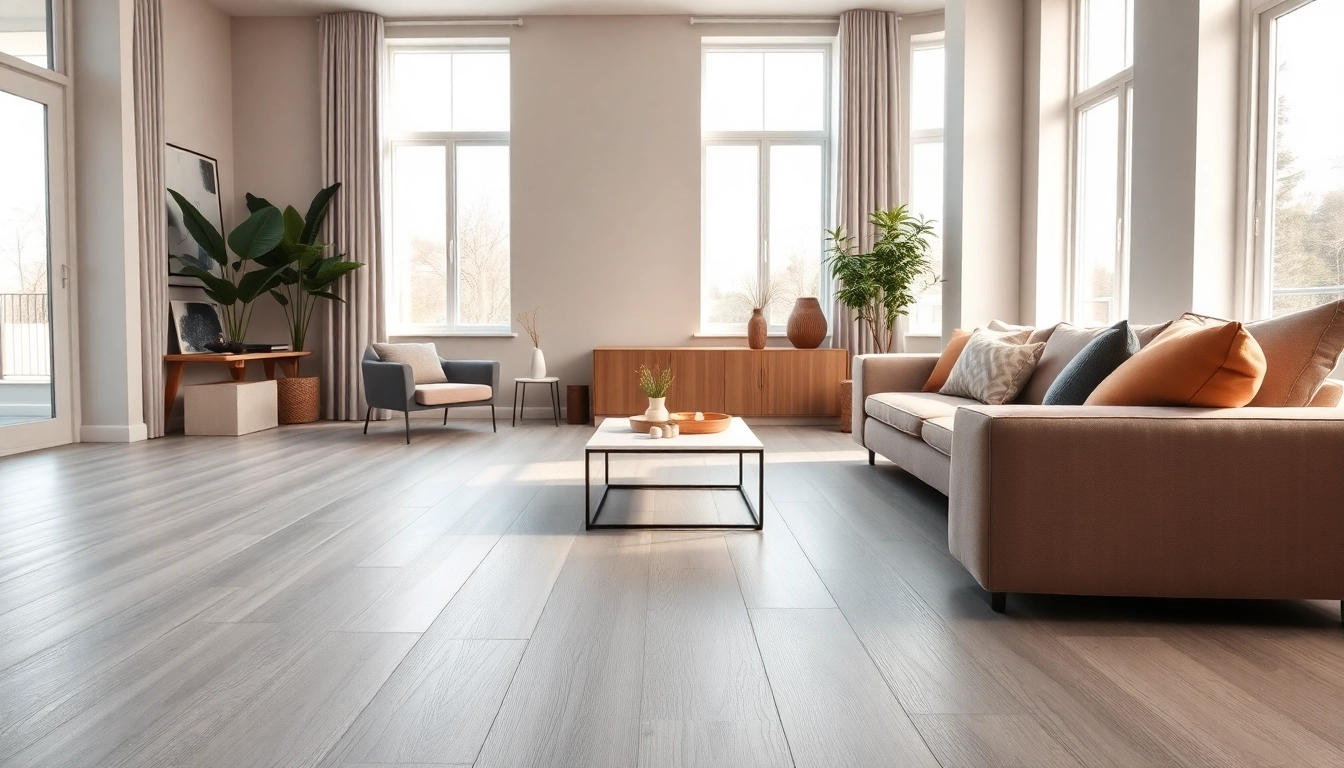
What is lvp Flooring?
Definition and Features of lvp Flooring
Luxury Vinyl Plank, commonly referred to as lvp flooring, is a versatile, stylish, and durable floor covering that mimics the appearance of natural wood or stone while providing much greater resilience. Made from multiple layers of thermoplastic, lvp flooring includes a top wear layer that protects against scratches, spills, and fading, an image layer that displays realistic patterns, and a backing layer that adds cushioning and stability.
Benefits of Choosing lvp Flooring
Choosing lvp flooring comes with several compelling advantages:
- Durability: lvp flooring is resistant to wear and tear, making it an ideal choice for high-traffic areas.
- Water Resistance: Its construction allows it to withstand moisture, suitable for kitchens and bathrooms.
- Easy Maintenance: Regular sweeping and occasional mopping keep it in good condition without the need for special cleaning products.
- Cost-Effective: Compared to hardwood or stone, lvp flooring provides an affordable alternative without sacrificing aesthetics.
- Comfort: The flooring is more forgiving underfoot than tile or hardwood, enhancing comfort during prolonged standing.
Comparison with Other Flooring Options
When evaluating flooring options, lvp flooring stands out against several competitors:
- Hardwood: While hardwood offers timeless beauty, it is more prone to scratches, dents, and water damage.
- Tile: Ceramic or porcelain tiles are durable but cold and hard underfoot, whereas lvp flooring is warmer and softer.
- Carpet: Though soft and warm, carpets can harbor allergens and require more extensive cleaning than lvp flooring.
Choosing the Right Style and Design
Popular Aesthetics in lvp Flooring
When it comes to aesthetics, lvp flooring can mimic a wide range of materials. From rustic farmhouse planks to sleek modern tiles, there’s a style to complement every home décor:
- Wood-Look Planks: Often featuring knots and grain textures, these designs appeal to those who desire a natural wooden look.
- Stone-Look Tiles: With realistic patterns, these can create a luxurious feel mimicking slate or marble.
- Patterned Vinyl: For a more eclectic or contemporary vibe, patterned designs can add visual interest.
How to Match lvp Flooring with Your Interior
Matching your lvp flooring with your interior design requires careful consideration of color, texture, and style. Here are some tips:
- Choose a flooring color that complements the walls and furniture to create a harmonious look.
- Consider the room’s purpose; for example, lighter hues tend to brighten a space, while darker colors offer warmth.
- Texture plays a crucial role; a glossy finish can enhance a modern interior, while a matte finish might suit a rustic setting.
Color Trends for lvp Flooring in 2023
The color trends for lvp flooring in 2023 emphasize earthy tones and natural hues. Popular shades include:
- Warm Neutrals: Shades like beige and taupe create a calming backdrop.
- Greys: From light greys to deep charcoals, these tones remain a staple for contemporary spaces.
- Rich Browns: Darker woods provide depth, ideal for adding a touch of elegance.
- Muted Greens and Blues: Subtle colors inspired by nature add a refreshing aspect to interiors.
Installation Process for lvp Flooring
DIY vs. Professional Installation
One of the important decisions when installing lvp flooring is whether to tackle it yourself or hire a professional. DIY installation can save money but requires time, skills, and tools. On the other hand, professional installers bring expertise but come at an extra cost. Assess your skills, the complexity of the job, and your budget when making this decision.
Tools Required for Installing lvp Flooring
For a successful lvp flooring installation, certain tools are essential. These include:
- Measuring tape and square
- Utility knife for cutting planks
- Flooring spacers
- Hammer or tapping block
- Pull bar to ensure planks fit snugly
Step-by-Step Installation Guide
Follow these steps for effective installation of lvp flooring:
- Preparation: Measure the area and acclimate the flooring by letting it sit in the room for 48 hours.
- Subfloor Assessment: Ensure the subfloor is clean, flat, and dry before starting.
- Layout Planning: Plan the layout to minimize cutting and ensure visual appeal.
- Installation: Begin laying the first row of planks, using spacers to maintain expansion gaps.
- Cutting and Fitting: Use a utility knife to cut planks as needed, ensuring a tight fit between pieces.
- Finishing Touches: Install baseboards or trim to cover expansion gaps for a polished look.
Maintenance Tips for Longevity
Cleaning lvp Flooring: Best Practices
Maintaining lvp flooring is relatively straightforward. Here are the best cleaning practices:
- Regularly sweep or vacuum to remove dust and dirt that can scratch the surface.
- Mop with a mild, non-abrasive cleaner to keep the floor looking new.
- Immediately wipe up spills to prevent stains or damage.
Common Mistakes to Avoid
To prolong your lvp flooring’s lifespan, avoid these common mistakes:
- Using harsh cleaning products that can damage the wear layer.
- Neglecting to place floor mats at entrances, which can trap grit before it reaches the flooring.
- Allowing excessive moisture to build up from spills left unattended.
How to Repair Minor Damages
Even the best flooring can suffer minor damages. Here’s how to address them:
- Scratches: Use a vinyl repair kit to fill in scratches or dings.
- Stains: For stubborn stains, a mixture of vinegar and water can effectively clean without causing damage.
- Heat Marks: If a hot object leaves a mark, gently rub the area with a soft cloth and a bit of mineral oil.
FAQs About lvp Flooring
What is the expected lifespan of lvp flooring?
The expected lifespan of lvp flooring is 10 to 25 years, depending on the quality of the product and the level of foot traffic it endures.
Is lvp flooring suitable for bathrooms?
Yes, lvp flooring is highly suitable for bathrooms due to its water-resistant properties, making it ideal for moisture-rich environments.
Can lvp flooring be installed over existing floors?
lvp flooring can often be installed over existing floors such as tile or hardwood, provided the subfloor is stable and leveled.
How does lvp flooring feel underfoot?
lvp flooring offers a warm and comfortable feel underfoot, making it pleasant to walk on, especially in comparison to cold tile or hard wood surfaces.
Is lvp flooring environmentally friendly?
Many lvp flooring options are made with recycled materials and can be recycled themselves, making them an environmentally friendly choice in the flooring market.