

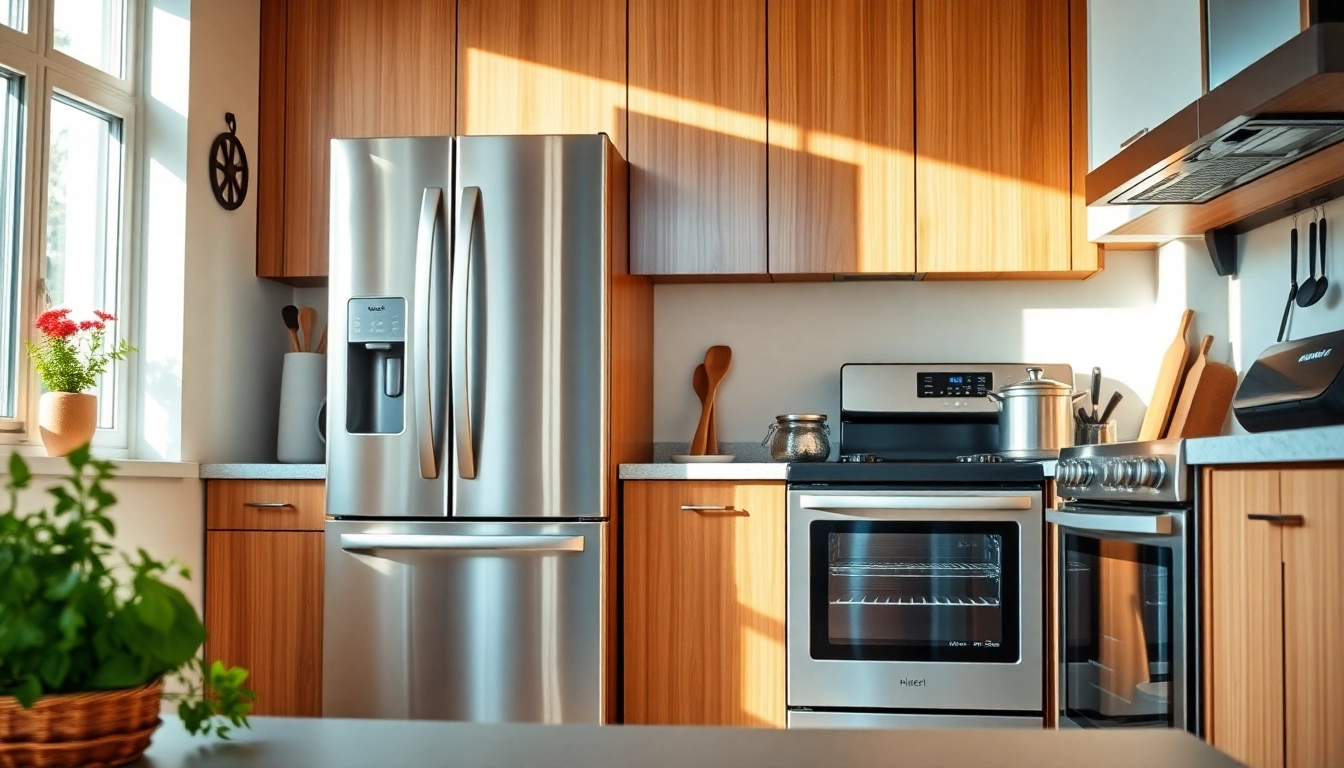
Understanding Home Appliances: An Overview
Home appliances are integral components of modern living, designed to enhance convenience and efficiency in daily tasks. These devices range from kitchen mechanization to cleaning technology, allowing individuals to focus on more productive and enjoyable activities. Investing in quality home appliances is essential not only for convenience but also for elevating the overall quality of life.
Definition and Types of Home Appliances
Home appliances are categorized into two main types: major appliances and small appliances. Major appliances, often referred to as white goods, include items like refrigerators, ovens, and washing machines. These devices typically require permanent installation and play a crucial role in everyday activities. On the other hand, small appliances, or brown goods, such as toasters, microwaves, and blenders, offer portability and flexibility within the home, capable of being easily moved or stored when not in use.
Importance in Everyday Life
The significance of home appliances cannot be overstated. They streamline chores, thereby saving time and effort in households. For instance, a washing machine allows clothes to be cleaned with minimal human intervention, while a dishwasher can complete cleaning tasks efficiently, enabling more free time for family and recreational pursuits. Additionally, modern appliances are equipped with technology that promotes energy efficiency, enhancing sustainability and reducing utility costs.
Current Trends in Home Appliances
As consumer needs evolve, so do home appliances. Current trends include the integration of smart technology into appliances, providing Wi-Fi connectivity and automation features for improved user control. Energy-efficient models are increasingly sought after due to their cost-saving benefits and environmental advantages. Moreover, compact and multifunctional designs are gaining popularity, particularly in urban settings where space is limited.
Key Features to Consider When Purchasing Home Appliances
Energy Efficiency Ratings
When selecting home appliances, energy efficiency should be a top priority. Appliances are rated by various standards, often quantified using the Energy Star label, which signifies superior efficiency. These ratings not only indicate energy savings but also help consumers reduce their environmental footprint, contributing to a more sustainable household.
Size and Capacity Considerations
The size and capacity of an appliance must correlate with the specific needs of your household. It’s crucial to assess the available space and the typical use of the appliance before making a purchase. For example, purchasing a compact refrigerator may be ideal for single individuals or couples, while larger families would benefit more from a spacious unit that accommodates bulk grocery shopping.
Technology Integration in Home Appliances
Modern home appliances are becoming smarter, with integrated technology that enhances functionality. Features like voice control, programmability, and apps that monitor usage can significantly increase convenience. For instance, smart ovens can be preheated remotely, and refrigerators equipped with touch screens can notify homeowners of expiration dates, combining practicality with innovation.
Best Practices for Maintaining Home Appliances
Cleaning Techniques for Different Appliances
Effective maintenance begins with regular cleaning to prolong the lifespan of home appliances. Each appliance requires specific cleaning techniques tailored to its material and function. For instance, stainless steel surfaces can be cleaned with vinegar for a streak-free shine, whereas fabric-covered appliances may need specialized upholstery cleaners. Always refer to the manufacturer’s instructions for the best results.
Regular Maintenance Tips
In addition to cleaning, conducting regular checks and servicing appliances can prevent malfunctions. Checking filters in air conditioning units, descaling kettles, and inspecting hoses in washing machines should be routine practices. Scheduling professional maintenance for complex appliances such as HVAC systems ensures they operate efficiently and extends their operational life.
Troubleshooting Common Issues
Every appliance may encounter issues over time, so having a troubleshooting strategy can save time and costs. Common problems—like a refrigerator that isn’t cooling—can often be resolved by checking the temperature settings or ensuring the coils are clean. Documenting the model and symptoms will help a technician diagnose the issue faster when necessary.
Benefits of Upgrading Your Home Appliances
Enhanced Energy Savings
Upgrading to newer, energy-efficient home appliances can lead to significant savings on utility bills. Modern appliances often utilize advanced technologies that reduce energy consumption considerably compared to older models. This not only contributes to lower monthly expenses but also aids in minimizing environmental impact.
Improved Functionality and Performance
Newer appliances typically offer enhanced functionalities that streamline everyday tasks. Innovative features such as smart programming in cooking appliances allow users to prepare meals efficiently by automating cooking times and temperatures. The overall performance improvement can greatly enhance the quality of life by offering valuable time-saving benefits.
The Positive Impact on Home Value
Modern, efficient appliances can contribute to increasing the market value of a home. Homebuyers often look for properties equipped with high-quality, energy-efficient models. Improving appliance quality can make a property more appealing, potentially leading to higher offers and quicker sales in the competitive real estate market.
Frequently Asked Questions About Home Appliances
What factors should I consider when buying home appliances?
When purchasing home appliances, consider energy efficiency, size, features, customer reviews, warranty, and price. Always ensure they fit your space and meet your needs.
How can I maximize the lifespan of my home appliances?
To extend the lifespan of appliances, conduct regular maintenance, clean them consistently, adhere to the manufacturer’s instructions, and address any issues promptly to prevent further damage.
Are energy-efficient home appliances worth the investment?
Yes, energy-efficient home appliances save money on energy bills over time while benefiting the environment. Upgrading can also increase your home’s market value, making it a smart investment.
How do I know if my home appliances need repairs?
Signs like unusual noises, inconsistent performance, or visible damage often indicate the need for repairs. Seek professional help if your appliance fails to operate as expected.
What are the latest technologies in home appliances?
The latest technologies include smart home integration, voice commands, energy monitoring apps, and improved energy efficiency standards, all enhancing user control and convenience.