

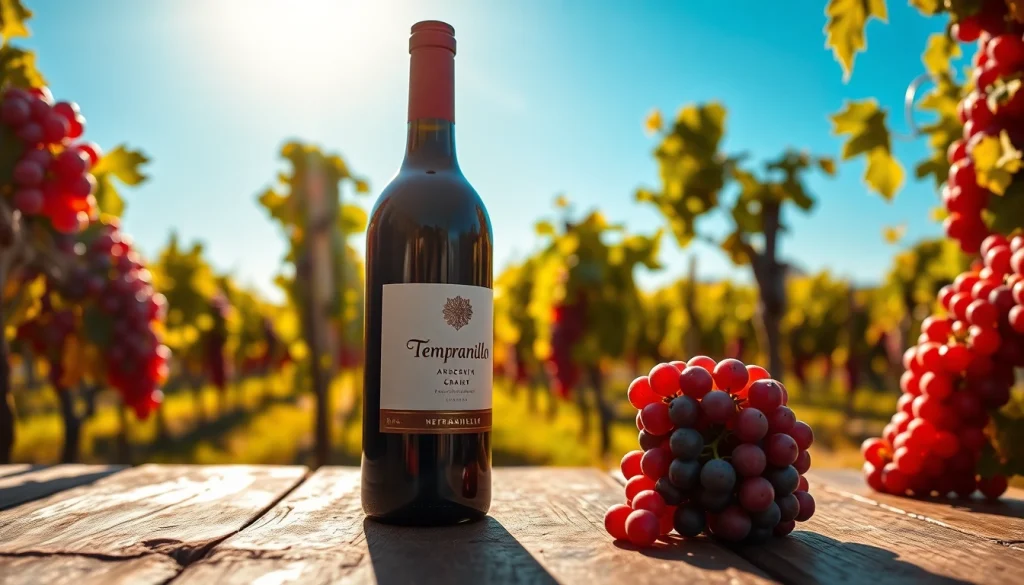
Introduction to Tempranillo
Gather around wine enthusiasts, as we delve deep into one of the most captivating varietals the world has to offer: Tempranillo. Hailing from Spain and pivotal to its wine culture, Tempranillo is adored for its ability to embody the characteristics of its terroir and offer layered complexities that can intrigue even the most discerning palate. In this extensive guide, we’ll explore the essence of Tempranillo, its history, key characteristics, optimal growing conditions, tasting notes and pairings, its role in blends, and finally, a summary along with frequently asked questions. For more detailed insights on this exquisite wine, feel free to explore Tempranillo.
What Is Tempranillo?
Tempranillo is a red grape variety known for producing full-bodied wines with moderate acidity and rich flavors. Its name derives from the Spanish word ‘temprano’, meaning ‘early’, reflecting its tendency to ripen earlier than many other grape varieties. This wine is predominantly grown in Spain, but its popularity has transcended borders, resulting in successful cultivations in regions like Portugal, Argentina, and the United States.
History and Origin of Tempranillo
Tracing its roots back for centuries, Tempranillo’s lineage can be linked to ancient cultures. It is believed that the grape dates back to before the Roman Empire, with various archaeological findings suggesting its cultivation in the Iberian Peninsula. The grape flourished during the 12th century under Moorish occupation and became a staple of the Spanish wine industry as vineyard cultivation spread across regions like Rioja and Ribera del Duero.
Characteristics of Tempranillo Wine
The characteristics of Tempranillo wine are as diverse as the regions where it is grown. Typically, Tempranillo exhibits a dark ruby color, with aromas of red fruits such as cherry and plum, alongside earthy notes of leather and tobacco, particularly in aged examples. The flavor profile often includes hints of dried figs, vanilla, and spice, stemming from oak aging. Its moderate tannin structure and acidity make it a versatile choice for various wine lovers.
Growing Conditions for Tempranillo
Ideal Climate and Soil for Tempranillo
Optimally, Tempranillo thrives in a warm climate that allows for well-rounded ripening. It flourishes in areas with seasonal temperature fluctuations, which help accentuate its complex flavor profile. In terms of soil, well-drained locations with high limestone content, rocky terrain, or clay exhibit the best results. These conditions encourage root depth and stability, which are crucial for healthy grape development.
Regions Known for Tempranillo Production
Tempranillo is synonymous with several key Spanish wine regions, the most notable being Rioja and Ribera del Duero. In Rioja, it is often blended with other grape varieties like Grenache to create complex profiles. In Ribera del Duero, local winemakers have embraced pure Tempranillo wines, resulting in some of the most potent expressions of this varietal. Additionally, regions in Portugal, such as the Douro Valley, produce Tempranillo wines known locally as Tinta Roriz, contributing to Port blends.
Harvesting Techniques for Optimal Flavor
Once the grapes reach optimal ripeness, harvesting techniques play a crucial role in determining the quality of Tempranillo wine. Manual harvesting is often preferred as it allows winemakers to select the best bunches, minimizing the damage to grapes. Timing during the harvest is also essential; picking too early may result in excessive acidity, while too late could elevate sugar levels unnecessarily. Many winemakers utilize a combination of sensory evaluations and precise sugar measurement techniques to ensure peak flavor.
Tasting Notes and Pairings for Tempranillo
Flavor Profiles of Tempranillo
Tempranillo typically presents a complex flavor profile that transitions with age. Young wines often showcase bright cherry and raspberry notes, while aged Tempranillo develops deeper flavors, including dark fruits like blackberries and prunes, along with secondary notes of leather, earthiness, and a hint of vanilla or clove from oak aging. For those exploring these wines, tasting them at various maturation stages provides valuable insight into their evolving character.
Food Pairings with Tempranillo
Tempranillo’s robust flavor profile makes it an excellent companion to a wide range of dishes. Classic pairings include grilled meats, stews, and rich pasta dishes, which harmonize beautifully with the wine’s acidity and tannins. Additionally, it complements aged cheeses, charcuterie boards, and even spicy Mediterranean dishes, enhancing the overall dining experience. A good rule of thumb is to match the weight of the dish with the wine; the heartier the dish, the fuller-bodied the Tempranillo should be.
Tasting Techniques for Beginners
For wine novices interested in exploring Tempranillo, understanding tasting techniques is key. Begin by observing the wine’s color and clarity, noting its hue and viscosity. Swirl the glass gently to aerate the wine, then inhale deeply to capture its aromatic profile. When tasting, take small sips to experience the flavor development and acidity. Consider its finish and aftertaste, which can reveal more about the wine’s complexity. Engaging with Tempranillo in this way can make for an enthralling and educational experience.
Tempranillo’s Role in Blends
Common Blends with Tempranillo
In the world of winemaking, Tempranillo often shines as a key component in blends. It combines beautifully with other varietals, including Grenache, Carignan, and Syrah, creating a harmonious interplay of flavors. These blends can offer well-rounded wines that balance fruity brightness with the earthiness and depth of Tempranillo, leading to complex and multi-dimensional profiles.
How Tempranillo Enhances Blends
Tempranillo enhances blends not only through its flavor components but also by contributing structure and age-worthiness. Its natural acidity allows it to balance out the heavier elements from other grapes while providing a foreground of characteristic fruit flavors. Additionally, Tempranillo’s ability to age in oak adds depth and texture, making it a preferred choice for winemakers looking to create nuanced blends.
Famous Blended Wines Featuring Tempranillo
Renowned blended wines featuring Tempranillo include many prestigious bottlings from Spain. Notable examples include the classic Rioja Crianza and Reserva, which often meld Tempranillo with Grenache and Mazuelo. The art of blending has led to innovative creations with distinct regional signatures, showcasing how Tempranillo can elevate the characteristics of other grapes, thus enhancing the overall wine experience.
Conclusion and FAQs
Summarizing the Tempranillo Experience
Tempranillo is more than just a grape; it embodies the rich, complex culture of Spanish wine-making. With its historical significance, diverse flavor profiles, and adaptability in various terrains, it stands as a testament to the artistry of viticulture. As you embark on your journey tasting Tempranillo, whether through solitary enjoyment or paired with exquisite meals, the nuanced characteristics of this varietal will surely beckon further exploration.
Future Trends in Tempranillo Wine
As the global wine industry evolves, so too does the future of Tempranillo. Increasing interest in organic viticulture and sustainable practices suggests an exciting frontier for Tempranillo production. Additionally, winemakers are experimenting with alternative aging methods and techniques to enhance the varietal’s unique attributes. As consumer preferences shift, Tempranillo’s versatility will likely lead to innovative wine styles and new interpretations.
FAQs about Tempranillo
What food pairs best with Tempranillo?
Tempranillo pairs well with grilled meats, pasta dishes, and aged cheeses, thanks to its robust flavor profile.
How should I store Tempranillo wine?
Store Tempranillo bottles upright in a cool, dark place, away from direct sunlight to maintain the flavor.
What are the typical flavors in Tempranillo?
Common flavors include cherry, plum, tomato, leather, and vanilla, often influenced by oak aging.
Is Tempranillo a good wine for aging?
Yes, high-quality Tempranillo wines can age beautifully, developing complex flavors over time.
Where did Tempranillo originate?
Tempranillo is primarily associated with Spain, particularly in regions like Rioja and Ribera del Duero.