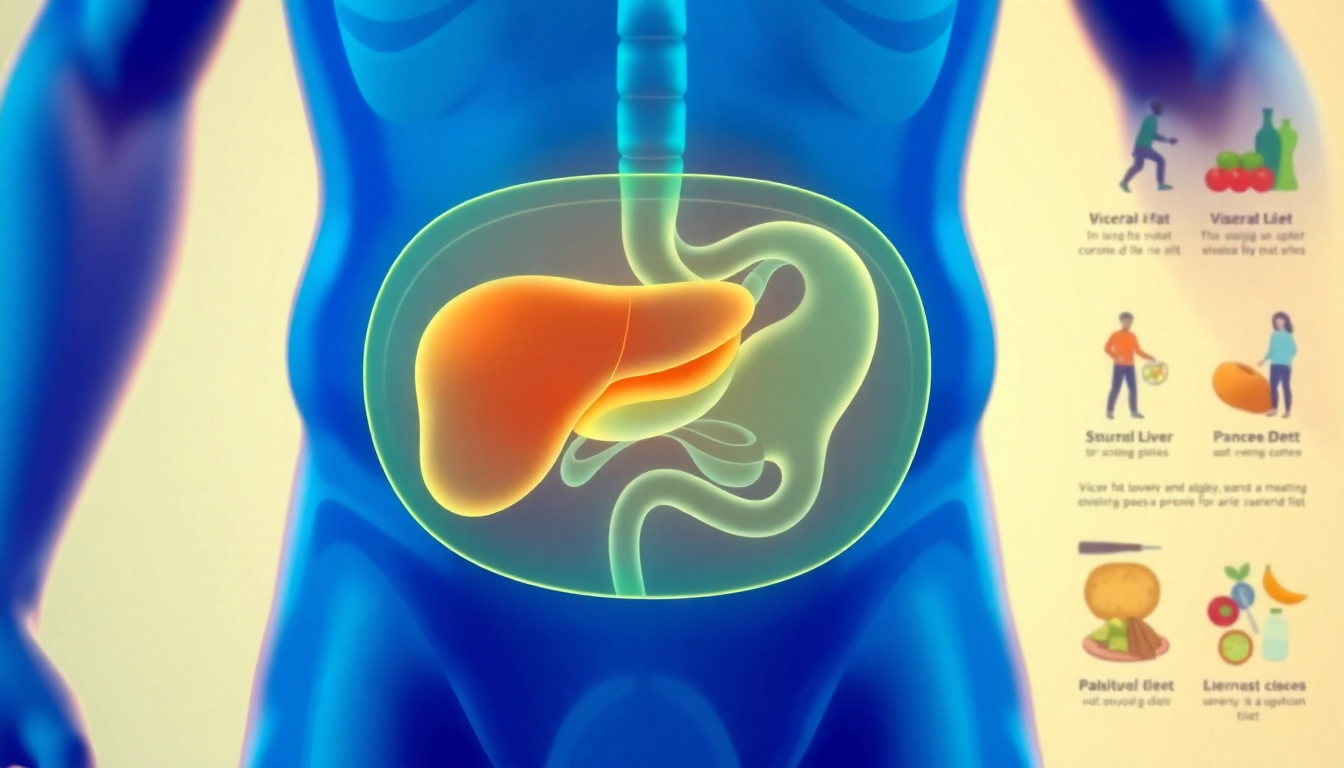
Understanding the Hidden Health Risks of Visceral Fat
Visceral fat may not be as visible as the fat that you can pinch, but it poses significant health risks that are often overlooked. Unlike subcutaneous fat, which is found just beneath the skin, visceral fat lies deeper in the abdominal cavity, surrounding vital organs such as the liver, pancreas, and intestines. Understanding visceral fat is essential for maintaining overall health, as its presence can lead to severe medical conditions.
What is Visceral Fat?
Definition and Characteristics of Visceral Fat
Visceral fat, often referred to as "toxic fat," serves as a protective cushion for your internal organs. However, an excess amount can lead to severe health consequences. This type of fat is metabolically active, meaning it releases various substances into the bloodstream that can affect how your body functions. For instance, it may secrete inflammatory markers and hormones that can disrupt your body's hormonal balance.
How Visceral Fat Differs from Subcutaneous Fat
To fully grasp the implications of having visceral fat, it is crucial to understand how it differs from subcutaneous fat. Subcutaneous fat is the soft fat you can feel just under your skin, while visceral fat is located deeper, surrounding organs in the abdominal cavity. The key difference lies in their respective health impacts; excess visceral fat is correlated with increased risks for diabetes, heart disease, and other metabolic syndromes while subcutaneous fat usually does not hold the same health risks.
Health Implications of Excess Visceral Fat
Having too much visceral fat is linked to various health issues. It is directly involved in the development of insulin resistance, which can lead to type 2 diabetes. Furthermore, visceral fat produces hormones and proteins that can increase inflammation within the body, contributing to cardiovascular diseases. The relationship between visceral fat and other diseases, such as hypertension and certain cancers, is under constant study, revealing more about its far-reaching impacts.
Identifying Visceral Fat
Signs You May Have Excess Visceral Fat
Identifying excess visceral fat is not always straightforward. However, there are several signs and symptoms worth noting. Common indicators include an increase in waist circumference, especially if it exceeds 40 inches for men and 35 inches for women. A larger waistline often indicates higher levels of visceral fat. Other symptoms may include metabolic issues such as high cholesterol, elevated blood sugar levels, and increased blood pressure.
Measuring Visceral Fat: Tools and Techniques
Measuring visceral fat can be conducted using several methods, including:
- Waist Circumference Measurement: Simple but effective; it doesn’t require specialized equipment.
- BIO Impedance Analysis: A superficial way to estimate body composition, using electrical currents.
- CT or MRI Scans: The most accurate methods for visualizing fat distribution but are more complex and costly.
- DEXA Scans: Often used to measure bone density, but can also provide fat distribution information.
Interpreting Visceral Fat Measurements
Interpreting visceral fat measurements requires an understanding of healthy ranges. A waist circumference exceeding recommended guidelines often indicates excess visceral fat. For more precise assessment, specialized equipment like DEXA scans can quantify visceral fat percentage. Understanding these figures in conjunction with other health metrics like BMI and waist-to-hip ratio can provide a broader picture of your health profile.
Health Risks Associated with Visceral Fat
Impact on Cardiovascular Health
Visceral fat’s impact on cardiovascular health is particularly alarming. It is linked with higher risks of heart disease through its influence on lipid metabolism. The cytokines released from visceral fat can lead to increased blood pressure and arterial stiffness, exacerbating cardiovascular risks. Inflammation from visceral fat can also accelerate the development of atherosclerosis, where arteries are narrowed by fatty deposits.
Connection to Diabetes and Metabolic Syndrome
There is a strong correlation between excess visceral fat and metabolic syndrome, a cluster of conditions that increase the risk of heart disease and diabetes. Visceral fat disrupts normal insulin function, leading to insulin resistance. As insulin sensitivity worsens, blood sugar levels rise, ultimately contributing to type 2 diabetes. Understanding the biological pathways through which visceral fat influences these metabolic processes is critical for prevention and intervention.
Effects on Hormonal Balance
Excess visceral fat affects hormone levels, particularly those that play a role in metabolism, stress response, and appetite regulation. It has been found to increase estrogen levels, which may link to certain hormone-related cancers. Moreover, it can disrupt the balance of thyroid hormones, affecting metabolism and body weight. In this context, addressing visceral fat is crucial for maintaining hormonal health.
Reducing Visceral Fat
Effective Diet Strategies for Reducing Visceral Fat
Diet plays a pivotal role in managing visceral fat levels. Here are some effective dietary strategies:
- Adopt a Mediterranean Diet: Rich in whole grains, nuts, fruits, vegetables, and healthy fats, this diet has been shown to reduce visceral fat.
- Limit Processed Foods: Foods high in sugar and refined carbohydrates promote the storage of visceral fat. Opt for whole foods whenever possible.
- Increase Fiber Intake: High-fiber foods such as legumes, fruits, and vegetables improve gut health and help reduce visceral fat.
- Control Portion Sizes: Being mindful of portion sizes can help regulate calorie intake, which is crucial for reducing fat levels.
Exercise Regimens that Target Visceral Fat
Incorporating physical activity is essential for visceral fat reduction. Effective regimens include:
- Cardiovascular Exercise: Engaging in aerobic activities like walking, jogging, and cycling has a direct impact on visceral fat reduction.
- Strength Training: Building muscle mass boosts metabolism and aids in fat loss. Aim for at least two sessions of strength training per week.
- High-Intensity Interval Training (HIIT): Short bursts of intense exercise followed by rest periods can effectively reduce visceral fat.
- Consistent Routine: Aim for at least 150 minutes of moderate aerobic activity each week to maintain a healthy body composition.
Long-term Lifestyle Changes for Maintenance
Once visceral fat levels are reduced, it is essential to adopt long-term lifestyle changes to maintain a healthy state. This includes:
- Prioritize Regular Health Checks: Monitoring your health metrics can help you stay on track with changes over time.
- Sustain Healthy Diet and Exercise Habits: It's much easier to maintain a healthy weight once you've established and embraced a balanced lifestyle.
- Manage Stress: Chronic stress can lead to weight gain and increased visceral fat through hormonal changes. Engage in stress-reducing activities such as yoga and meditation.
Seeking Professional Help
When to Consult a Healthcare Provider
If you suspect you have excess visceral fat or have related health concerns, it's wise to consult a healthcare provider. They can help assess your overall health and determine if further testing or intervention is needed. Signs to look for include unexplained weight gain, persistent fatigue, or symptoms associated with insulin resistance.
Potential Treatments for High Visceral Fat Levels
In some cases, individuals may require more than lifestyle changes to combat high visceral fat levels. Healthcare professionals may recommend:
- Medication: Metformin and other medications may be prescribed to help manage insulin resistance and maintain glucose levels.
- Medical Procedures: In extreme circumstances, surgical weight loss procedures may be considered, particularly for individuals with obesity-related health risks.
Understanding Medical Interventions and Their Efficacy
Understanding the efficacy of medical interventions requires consideration of individual health conditions and metrics. Evaluating factors such as response to treatment, lifestyle impact, and overall quality of life is foundational. Always consult healthcare professionals to make informed decisions about pursuing medical help.