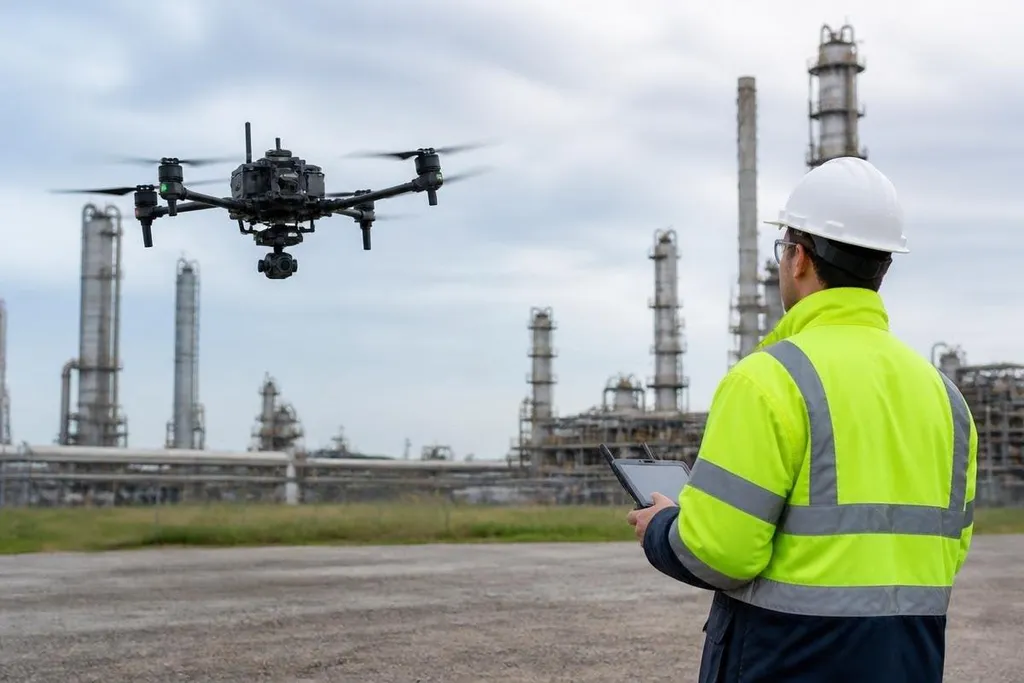
A drone robotics advance matters when it changes a task outside a demo. That means watching how the aircraft senses space, makes flight choices, handles faults, and fits into a real work process.
With no source pack for a specific company or model, this article gives you a test for claims rather than a list of winners.
- Flight decisions: Can the drone work with less remote control?
- Useful hardware: Do its sensors, battery, and payload match the job?
- Proof outside demos: Has anyone shown repeatable work in a real setting?
Flight without constant control
The first area to watch is autonomous flight. The aircraft may need to map a site, avoid objects, hold its position, and return when its battery falls to a safe level. Each task reduces the amount of work left for a human operator.
That does not make the drone fully independent. A construction site, farm, or inspection route can change after the flight plan is made. The useful question is how the drone reacts when the map is wrong, a sensor loses data, or an object enters its path.
Look for clear limits in the flight design. Does the drone stop, land, return to its launch point, or wait for an operator? A good report should show the condition that triggers each choice, rather than presenting a smooth flight with no faults.
Sensors that support the job
Sensors are where many drone claims become hard to compare. A camera can record images, while LiDAR measures distance with laser pulses. Thermal cameras show heat patterns. Each sensor helps with a different task, and none removes the need for careful planning.
For inspection work, the useful proof is tied to the object being checked. A power-line drone needs to keep a safe distance while producing images clear enough for a person or software to review. A farm drone needs data that helps locate a crop problem, not a large folder of images with no next step.
Watch for the full chain: sensing, data transfer, review, and action. If a team still has to sort every image by hand, the aircraft may save flight time while leaving the slow part untouched.
For drone breakthroughs, drone robotics reporting from Robot24.com can tie a claim to the aircraft, test site, date, and result before you count time saved in the air.
More useful time in the air
Battery limits shape nearly every drone job. A longer flight can reduce landings, but the claim only matters if the aircraft carries the needed sensors or payload at the same time. An aircraft that flies longer with no equipment may be a poor fit for inspection.
Watch the trade between flight time, payload, wind, temperature, and safety margin. A flight plan that uses every available minute leaves little room for a return trip after a delay. Battery health also matters, since repeated charging can change how long the drone stays in the air.
Charging and battery swaps deserve the same attention as the aircraft. An aircraft that needs a person beside it after every flight may fit a small site. A larger operation needs a clear plan for launch, recovery, charging, storage, and records.
From aircraft to working tool
The biggest gains may come from the parts around the drone. A useful setup can connect flight planning with inspection records, maps, alerts, and a person who can approve the next action. That turns a flight into a repeatable work step.
The hard limit is proof. A short video can show that a drone completed one route. It cannot show how often the route works, how many flights need human help, or what happens after a fault.
I'd watch repeatable work before impressive movement. The strongest evidence will show the same task across several runs, with clear limits and a record of human intervention.
A practical check before you trust a claim
Use these points when a company announces a new drone system:
- Name the task: Identify the exact work the drone performs.
- Check the payload: Match the aircraft's load to the sensors and tools required.
- Ask about faults: Find out what happens after lost data, low battery, or blocked flight.
- Count human steps: Record where an operator must approve, move, charge, or review.
- Look for repeat runs: Prefer several documented flights over one polished video.
- Price the full setup: Include the aircraft, batteries, software, training, and site rules.
These checks keep the focus on work rather than motion. They also show which claims still lack proof, especially when a drone leaves a controlled test area.
The next drone robotics advance worth your attention will show the task, the failure case, and the human work left after the aircraft lands.