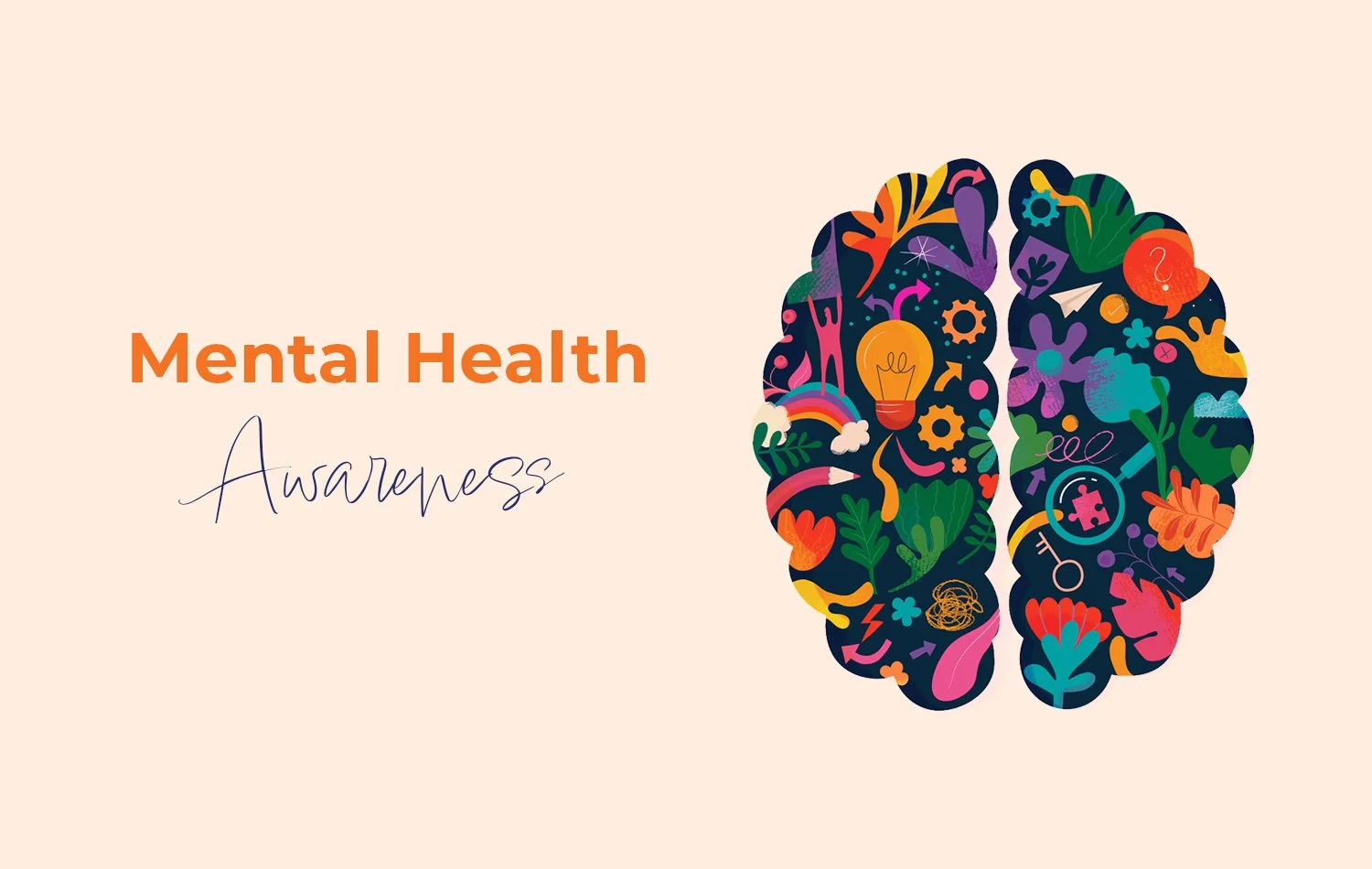
In today’s fast-paced world, mental health has become a critical aspect of overall wellbeing. Building emotional resilience is essential to navigate life’s challenges, manage stress, and maintain a healthy mindset. Mental health awareness is the first step in understanding our emotions and learning how to respond to them effectively.
Understanding Mental Health Awareness
Mental health awareness means recognizing the importance of mental wellbeing and understanding how thoughts, feelings, and behaviors impact our daily lives. It involves acknowledging emotional challenges without stigma and seeking appropriate strategies or help when needed. Awareness helps individuals respond to stress, anxiety, or depression in healthier ways, improving overall quality of life.
The Importance of Mental Health Awareness
- Early Recognition of Issues: By being aware of mental health, individuals can identify signs of stress, anxiety, or depression early, allowing for timely intervention.
- Reduces Stigma: Promoting mental health awareness helps break societal myths and encourages open discussions about emotional wellbeing.
- Supports Emotional Resilience: Understanding emotions and mental states improves coping mechanisms, making it easier to bounce back from setbacks.
- Enhances Relationships: Awareness fosters empathy and better communication with friends, family, and colleagues.
Step 1: Self-Reflection and Emotional Check-ins
Self-reflection is a foundational step in mental health awareness. It involves taking time to observe and understand your own emotions.
- Daily Journaling: Writing down your thoughts and feelings can help identify patterns in mood and behavior. For example, noting when stress peaks during school or work can highlight triggers.
- Mood Tracking Apps: Using apps to monitor emotional fluctuations helps visualize patterns over time.
- Mindful Reflection: Spending a few minutes daily to pause and notice your emotions encourages greater self-awareness.
Real-Life Example
Consider a high school student who feels overwhelmed during exam season. By journaling their thoughts, they realize that procrastination increases their anxiety. Awareness allows them to implement small time management strategies, reducing stress and building resilience.
Step 2: Understanding and Naming Emotions
Recognizing emotions accurately is key to responding effectively. Mental health awareness involves labeling feelings such as frustration, sadness, or excitement rather than ignoring them.
- Emotion Wheel: Tools like the emotion wheel can help individuals identify subtle differences between feelings, such as irritation versus anger.
- Daily Practice: Pause during stressful moments and consciously name your emotion. Saying “I feel anxious” rather than “I am stressed” creates clarity.
Analogy
Think of emotions like weather. Awareness helps you dress appropriately—bringing an umbrella for rain (stress) or sunglasses for sunshine (happiness). Without awareness, you may be caught unprepared.
Step 3: Developing Healthy Coping Strategies
Once emotions are recognized, applying coping strategies is crucial to maintain emotional resilience. Effective coping mechanisms prevent negative thoughts from overwhelming mental wellbeing.
- Physical Activity: Exercise reduces stress hormones and increases endorphins, which improve mood.
- Breathing Exercises: Techniques such as deep breathing or box breathing calm the nervous system.
- Creative Outlets: Drawing, writing, or playing music provides a safe space for emotional expression.
- Problem-Solving: Breaking challenges into manageable steps prevents feelings of helplessness.
Case Study
A young professional experiencing workplace stress began practicing 10 minutes of mindful breathing daily. Over a month, they reported decreased anxiety levels and improved focus, demonstrating how coping strategies enhance resilience.
Step 4: Building Supportive Relationships
Social connections play a significant role in mental health awareness and emotional resilience. Supportive relationships provide guidance, comfort, and encouragement during difficult times.
- Talk to Trusted Individuals: Sharing your feelings with friends, family, or mentors creates a sense of belonging.
- Join Support Groups: Connecting with others facing similar challenges reduces isolation and promotes understanding.
- Offer Empathy: Supporting others strengthens emotional intelligence and improves mutual wellbeing.
Analogy
Think of supportive relationships as a safety net. When life’s challenges make you stumble, these connections help you regain balance and move forward.
Step 5: Practicing Mindfulness and Meditation
Mindfulness is the practice of being fully present in the moment. It enhances mental health awareness by encouraging individuals to observe thoughts and feelings without judgment.
- Meditation Techniques: Guided meditation or simple breathing exercises help reduce anxiety and improve focus.
- Mindful Observation: Paying attention to surroundings, sensations, and thoughts increases emotional clarity.
- Gratitude Practice: Listing things you are grateful for daily fosters positivity and reduces negative thinking.
Real-Life Example
A student struggling with test anxiety practiced five minutes of mindfulness before studying. This simple routine helped them feel calmer, concentrate better, and approach exams with confidence.
Step 6: Learning to Set Boundaries
Setting boundaries is essential for emotional resilience and mental health awareness. It involves recognizing personal limits and communicating them effectively.
- Identify Limits: Reflect on situations that drain energy or trigger stress.
- Communicate Clearly: Politely express your needs to others to prevent overcommitment.
- Practice Self-Care: Prioritize activities that recharge you physically, mentally, and emotionally.
Analogy
Boundaries are like fences around a garden. They protect your space and ensure that what grows inside—your wellbeing—thrives without being overwhelmed by external pressures.
Step 7: Seeking Professional Help When Needed
Mental health awareness includes knowing when to seek professional assistance. Therapists, counselors, and psychologists provide evidence-based support for mental and emotional challenges.
- Therapy Sessions: Cognitive Behavioral Therapy (CBT) and other approaches help identify negative patterns and develop coping skills.
- Counseling Hotlines: Immediate support is available through helplines for crisis situations.
- Mental Health Checkups: Regular mental health assessments promote long-term emotional wellbeing.
Case Study
An adult experiencing persistent anxiety sought therapy. With professional guidance, they learned coping strategies and mindfulness practices that significantly improved daily functioning and resilience.
Step 8: Creating a Mental Health Routine
Consistency is key to emotional resilience. Integrating daily habits focused on mental health strengthens overall wellbeing.
- Morning Mindfulness: Start the day with a short meditation or reflective practice.
- Scheduled Breaks: Incorporate short breaks during work or study to prevent burnout.
- Evening Reflection: Conclude the day by noting positive experiences and lessons learned.
- Healthy Lifestyle: Nutrition, sleep, and exercise directly influence mental health.
Step 9: Educating Yourself About Mental Health
Mental health awareness grows through learning. Understanding psychological concepts, disorders, and coping mechanisms empowers individuals to take control of their wellbeing.
- Books and Articles: Trusted resources provide evidence-based information.
- Workshops and Webinars: Interactive learning improves knowledge and practical application.
- Online Communities: Engage with reputable platforms that promote mental health literacy.
Step 10: Practicing Self-Compassion
Being kind to yourself is a cornerstone of emotional resilience. Mental health awareness encourages self-compassion as a way to handle mistakes and setbacks without harsh judgment.
- Positive Self-Talk: Replace self-criticism with supportive and encouraging language.
- Accept Imperfections: Recognize that everyone faces challenges and growth is a process.
- Celebrate Achievements: Even small accomplishments reinforce confidence and resilience.
Conclusion
Mental health awareness is not a one-time effort but a continuous journey. By understanding emotions, practicing coping strategies, building supportive relationships, and seeking professional guidance when necessary, individuals can strengthen emotional resilience. These steps provide practical tools to navigate life’s challenges, reduce stress, and foster overall wellbeing. Embracing mental health awareness empowers individuals to live balanced, fulfilling lives while promoting kindness and understanding toward oneself and others. Navigate effortlessly by returning to our clean, organized homepage.
FAQs
What is the importance of mental health awareness?
Mental health awareness is important because it helps individuals recognize early signs of stress, anxiety, or depression. It reduces stigma, promotes healthy coping strategies, and strengthens emotional resilience. Being aware of mental health improves overall quality of life and interpersonal relationships.
How can I practice mental health awareness daily?
Daily practices include journaling thoughts and emotions, mindfulness exercises, naming your feelings, and engaging in physical activities. Regularly reflecting on your mental state, setting boundaries, and connecting with supportive individuals also enhance awareness.
When should I seek professional help for mental health?
Professional help should be sought when emotional challenges interfere with daily life, cause persistent distress, or lead to unsafe behaviors. Therapists, counselors, and psychologists provide guidance, coping strategies, and evidence-based interventions to support mental wellbeing.