The Basics of Saltwater Fly Fishing
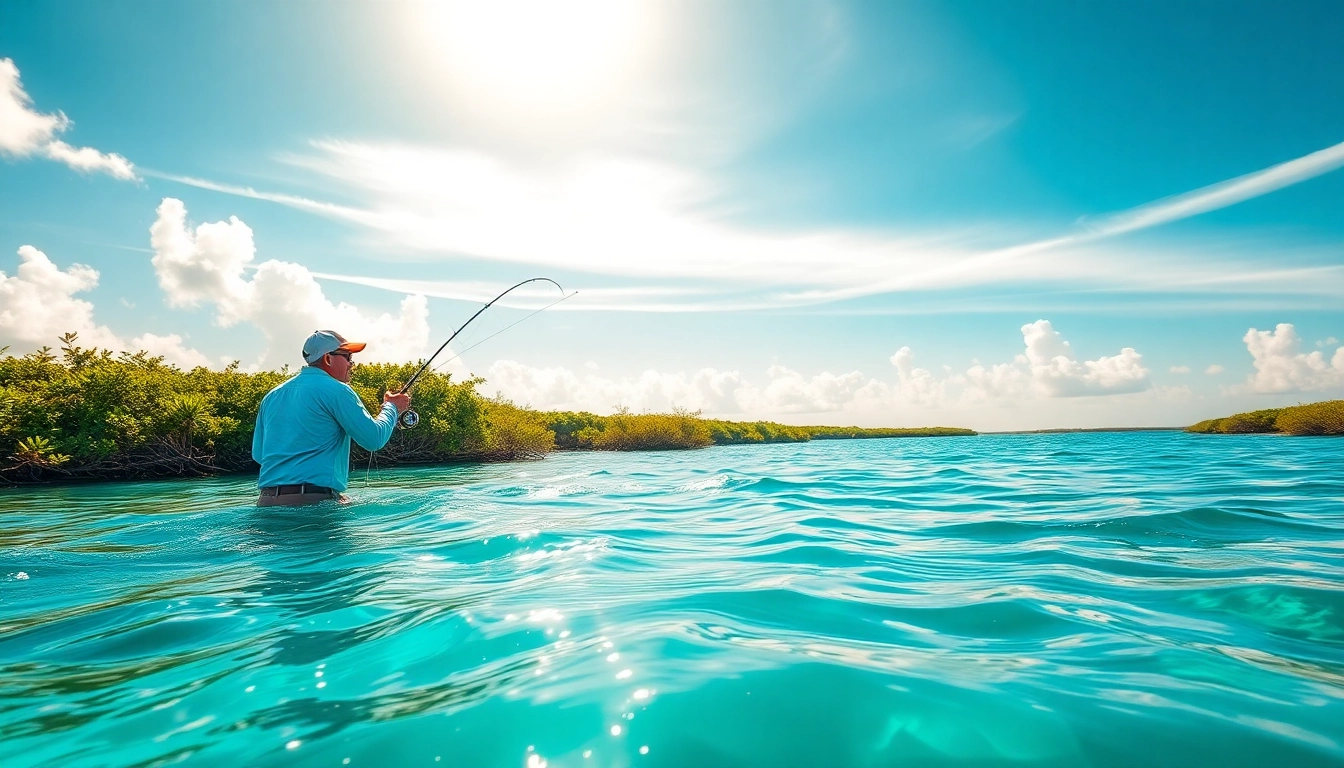
Saltwater fly fishing is an exhilarating pursuit that allows anglers to engage with a dynamic aquatic environment filled with diverse species. Whether you are targeting the aggressive tarpon or the elusive bonefish, understanding the fundamentals is essential for success. This article delves deep into the elements that define saltwater fly fishing, providing valuable insights and techniques to enhance your experience. If you're eager to make waves in the fishing world, familiarize yourself with saltwater fly fishing to elevate your skill set.
Understanding the Saltwater Ecosystem
To become a successful saltwater fly angler, it is crucial to understand the unique ecosystems in which this form of fishing takes place. Saltwater environments can range from estuaries to coral reefs, each hosting different species of fish and aquatic life. Factors such as water temperature, salinity, and the presence of structure (like rocks, reefs, and vegetation) influence fishing conditions.
In many saltwater areas, tides play a significant role in the behavior of fish. The rise and fall of the tides can affect fish feeding patterns, making it vital for anglers to plan their trips around tidal movements. At low tide, fish often gather in deeper pools or near structures, whereas high tide may see them moving into shallower waters to feed.
Essential Gear for Beginners
Getting started with saltwater fly fishing requires investing in the right gear. Here’s what you will need:
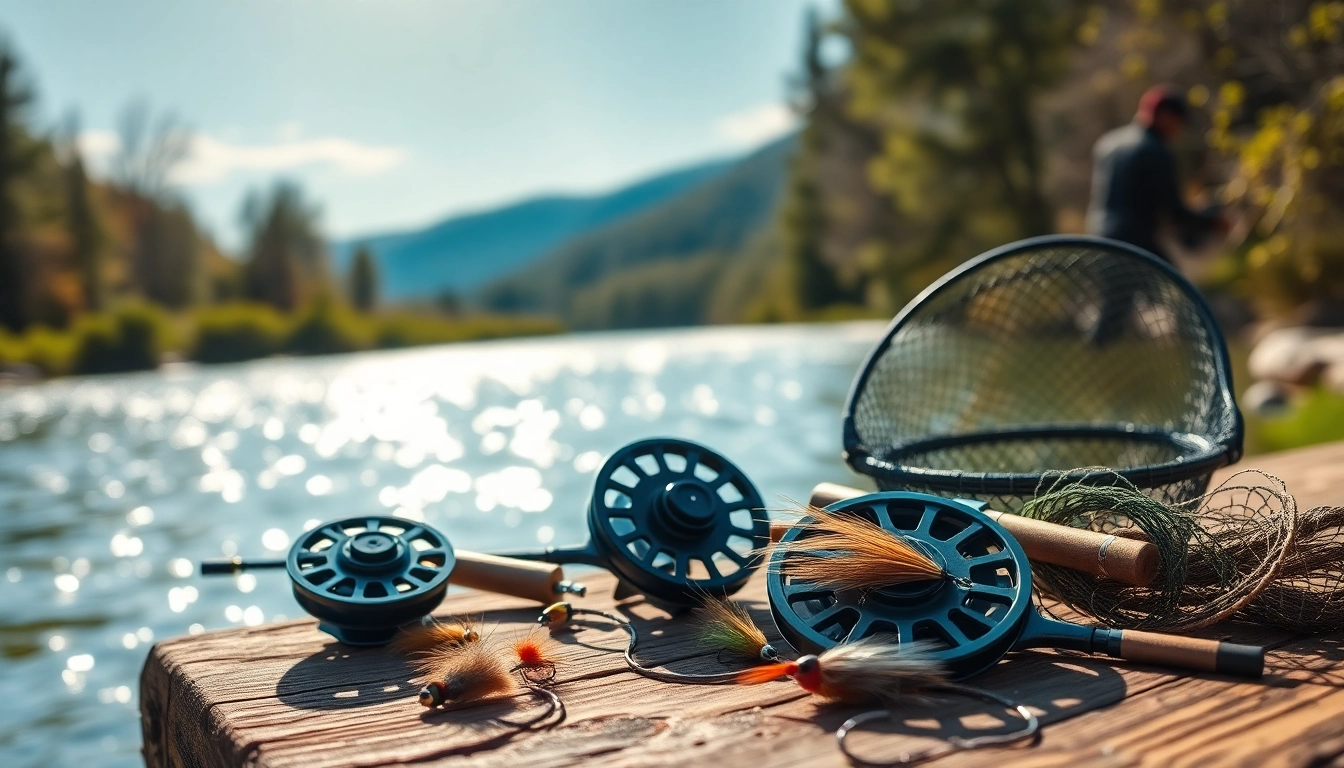
- Fly Rod: Typically, a 9 to 10-foot rod rated for 8 to 12 weight lines is ideal for saltwater fishing, providing the necessary backbone to cast larger flies and handle strong fish.
- Fly Reel: A corrosion-resistant reel with a strong drag system is essential for fighting saltwater fish. Reels should be able to handle the weight of the fish and the line you are using.
- Lines and Backing: Use a weight-forward floating or intermediate line, paired with at least 100 yards of backing. This setup is crucial for chasing fast-running fish.
- Flies: Selecting the right flies can make or break your trip. Common patterns include clousers, streamers, and crab imitations—the choice will depend on the target species.
- Leaders and Tippets: Use a strong fluorocarbon leader to withstand the harsh saltwater conditions, adjusting length and tippet size according to the species you’re targeting.
Fly Selection and Presentation Techniques
Choosing the right fly and presenting it effectively is critical in enticing fish to bite. Depending on the target species, different patterns work better in various conditions. For example, during sunny days, lighter-colored flies are often more effective, while darker flies may perform better during overcast skies.
Presentation techniques can vary significantly:
- Use a double haul casting technique for longer distances.
- Strip your line to imitate the movement of prey, varying speeds to find what works best.
- Be aware of the direction of the current and cast accordingly to present your fly naturally.
Advanced Techniques in Saltwater Fly Fishing
Casting Techniques for Distance and Accuracy
Mastering casting techniques is paramount for effective saltwater fly fishing. Distance and accuracy allow for effective presentations in challenging conditions. Consider learning the following techniques:
- Double Haul: This method involves using both hands to quickly load the rod, allowing for longer and more powerful casts.
- Roll Cast: Great for tight spots, the roll cast allows anglers to present flies without backcasting space.
- Sidearm Cast: Using a sidearm position can help you cast under windy conditions or in areas with heavy foliage.
Understanding Tides and Their Impact on Fishing
Awareness of tidal movements significantly improves fishing success in saltwater environments. Tides influence the availability of food sources, and thus fish behavior. Fishermen should identify the tidal schedule in their fishing area and consider planning trips around the incoming tide when fish are most active.
Additionally, understanding the type of tidal flow can guide your strategy—fishing during slack tides may yield fewer results, whereas fishing during moving tides can be highly productive.
Identifying Target Species in Saltwater
Effective anglers can recognize which species are likely to be present at any given time by understanding their migratory patterns and preferred habitats. Here are some popular target species in saltwater fly fishing:
- Bonefish: Found in shallow flats and known for their speed, these fish are often sought after for their challenging nature.
- Tarpon: Famous for their acrobatics, tarpon can be found in coastal waters and estuaries.
- Permit: Highly sought after for their intelligence and wariness, permit require careful presentation and stealthy approaches.
Choosing the Right Location
Top Destinations for Saltwater Fly Fishing
Selecting the right fishing location is a pivotal factor in your success. Several renowned locations across the globe are famous for saltwater fly fishing:
- The Florida Keys: Known for its diverse fish populations and beautiful backcountry waters.
- Belize: Offers incredible bonefishing opportunities in pristine flats.
- Christmas Island: A premier destination for trophy-sized species such as giant trevally and bonefish.
Reading Water: Where to Find Fish
Successful fly fishing relies on your ability to read the water effectively. Factors such as color changes, current edges, and structure need to be evaluated. Look for signs of feeding fish—surface disturbances can indicate where fish are actively hunting.
Understanding how fish relate to their environment allows anglers to identify feeding zones effectively. Look for:
- Shallow flats during outgoing tides.
- Drop-offs near reefs.
- Sandbars where fish may congregate.
Seasonal Variations and Their Effects
The behavior of fish can vary significantly with the seasons. Warmer months often bring more active fish, as they respond to rising water temperatures. Understanding seasonal variations can provide insight into the best times to fish for various species. For instance, tarpon may be more populous during summer, while colder months may see bonefish moving to different feeding grounds.
Techniques to Enhance Your Catch Rate
Optimal Retrieve Strategies
The retrieve technique is essential in enticing fish to strike. Different species may require various retrieve styles. Experiment with:
- Slow Retrieve: Ideal for cautious species; allows the fly to act more like natural prey.
- Fast Retrieve: Use this for aggressive species to provoke reaction strikes.
- Pulsing Retrieve: Mimics the struggling motions of wounded prey, provoking predatory species.
Using Technology for Better Fishing
Modern technology can significantly enhance your saltwater fly fishing experience. Gps units aid in navigation, while fish finders can help identify fish locations. Smartphone applications can provide updated tide information, weather patterns, and local angler reports—essential tools for every serious angler.
Working with Local Guides
Hiring a local guide can be invaluable, especially for beginners or those unfamiliar with specific fishing locations. Guides know the water intimately and can provide insights into fish behavior, effective techniques, and the best times to fish. They can also assist with translations when fishing in countries where English isn’t the primary language.
Sustainable Practices in Saltwater Fly Fishing
Protecting Marine Life While Fishing
As anglers, it is our responsibility to protect the environments that provide us with so much joy. Employ catch-and-release techniques whenever possible, especially for threatened or endangered species. Ensuring minimal handling of fish and using barbless hooks can reduce stress on the fish and aid in their survival.
Understanding Local Fishing Regulations
Compliance with local fishing regulations is essential for the health of fish populations and aquatic ecosystems. Regulations vary depending on the location and species, often including limits on sizes, bag counts, and specific seasons. Ensure that you are informed before your fishing trip to avoid penalties and contribute to conservation efforts.
Conservation Efforts and How to Contribute
Active participation in conservation efforts strengthens the future of saltwater fisheries. Engage with local organizations, volunteer for cleanup events, and promote responsible fishing practices within your community. Supporting policies that advocate sustainable fishing and participating in local advocacy can make a significant difference in preserving these precious resources for future generations.
Saltwater fly fishing is not just a sport; it’s a blend of art, science, and respect for nature. By understanding the intricacies of the saltwater ecosystem and honing your skills, you can enhance your experience and contribute positively to maritime conservation efforts. Dive into this thrilling pursuit equipped with the right knowledge, and you’ll find that the ocean is truly your gateway to adventure.