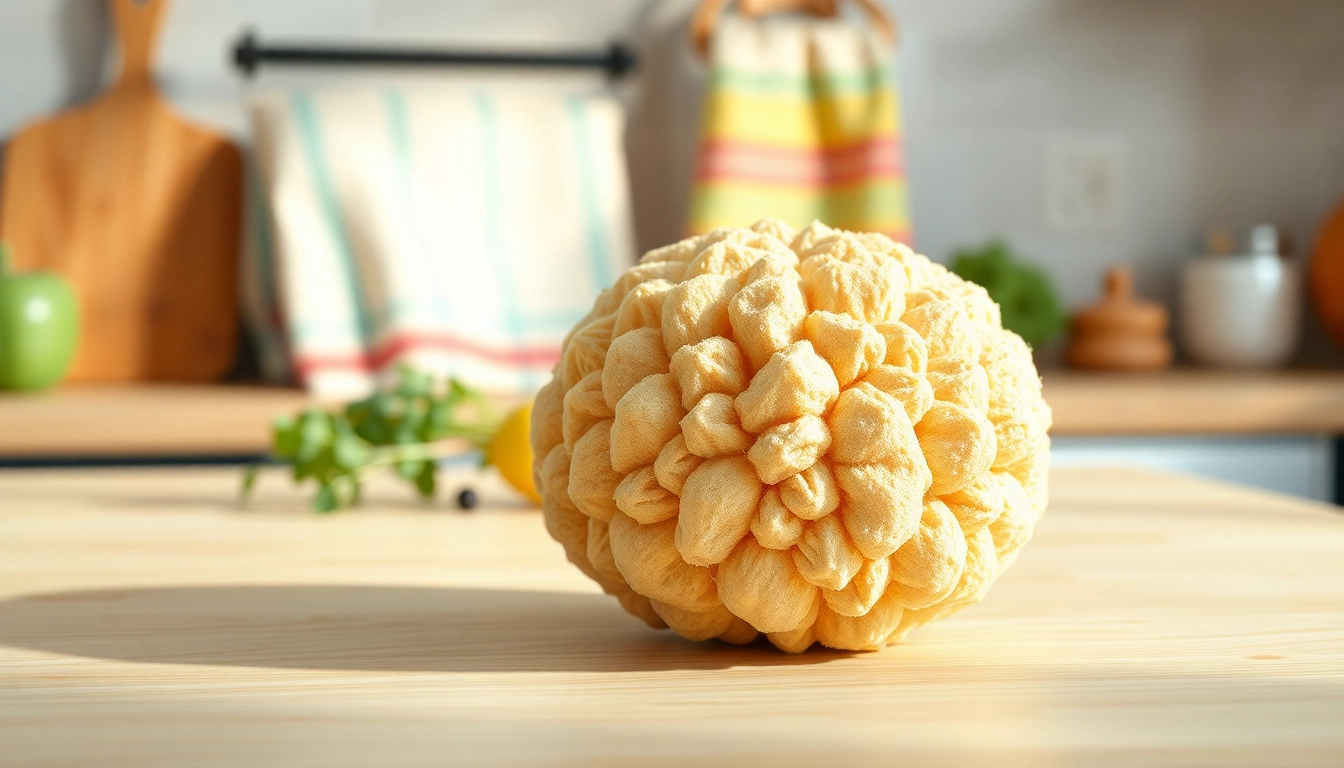
What is Kitchen Loofah?
The kitchen loofah is a natural cleaning tool derived from the fibrous skeleton of a loofah gourd, which belongs to the cucumber family. These versatile sponges have gained popularity in kitchens and bathrooms for their biodegradable properties and effectiveness in cleaning. Unlike synthetic sponges, the kitchen loofah offers a sustainable alternative that is both functional and eco-friendly. By using a kitchen loofah, not only are you opting for a green solution, but you're also giving your cleaning routine a refresh with a product that is gentle yet effective.
Understanding the Origin of Kitchen Loofah
The origin of the kitchen loofah can be traced back to ancient Egypt and continues to be cultivated primarily in tropical and subtropical regions around the world. The loofah gourd, when harvested, undergoes a process of ripening that transforms it into a fibrous sponge. Traditionally, these sponges were used in various cultures not only for cleaning but also for health and beauty applications. The rise of sustainability has reignited interest in kitchen loofahs, as consumers become increasingly aware of the environmental impacts of synthetic products.
Differences Between Kitchen Loofah and Synthetic Sponges
While kitchen loofahs and synthetic sponges may perform similar functions, there are crucial differences that set them apart. Kitchen loofahs are entirely natural and biodegradable, which significantly reduces their environmental footprint compared to synthetic sponges, which are often made from plastics and can take hundreds of years to decompose. Additionally, kitchen loofahs possess a unique texture that provides excellent exfoliation and scrubbing power without scratches. In contrast, synthetic sponges may harbor bacteria and produce odor over time, presenting a hygiene concern.
Popular Varieties of Kitchen Loofah
There are several varieties of kitchen loofah available, each offering unique characteristics. Here are a few popular types:
- Traditional Loofah: The most common type, providing a robust scrubbing surface, ideal for pots and pans.
- Soft Loofah: Gently textured, suited for delicate surfaces and skin.
- Loofah Sponge Cloth: A fusion with fabric that serves additional functions beyond scrubbing.
Understanding the different types helps users select the right kitchen loofah based on their specific needs.
Benefits of Using Kitchen Loofah
Natural Exfoliation Properties
One of the standout features of kitchen loofahs is their natural exfoliating abilities. When used in bathing or cleaning, they remove dead skin cells and dirt, promoting healthier skin. This gentle exfoliation makes them popular in skincare regimens, where they can enhance circulation and improve the overall texture of the skin. User testimonials indicate that incorporating kitchen loofahs into skincare routines often leads to a refreshing and revitalized feeling.
Eco-Friendly Cleaning Alternative
Switching to a kitchen loofah not only supports personal health but also environmental sustainability. These sponges are biodegradable, ensuring that they won't contribute to the plastic pollution that plagues our planet. By choosing kitchen loofahs over synthetic options, consumers are making a conscious effort to choose products that reflect their values, minimizing their ecological impact.
Health Benefits of Using Kitchen Loofah
The health advantages of kitchen loofahs extend beyond the physical act of cleaning. Regular use can help to stimulate skin regeneration, thereby potentially reducing the appearance of scars and blemishes. Furthermore, using natural products like kitchen loofahs can lessen allergies and skin irritations associated with chemical-laden sponges. Many users have reported experiencing fewer skin issues after switching to natural cleaning tools.
How to Use Kitchen Loofah Effectively
Preparation and Softening Techniques
To maximize the effectiveness of your kitchen loofah, proper preparation is essential. When first acquired, dry loofahs should be soaked in warm water for a few minutes to soften the fibers, making them more pliable and effective for cleaning. This simple technique enhances the loofah's scrubbing capabilities, enabling it to tackle tough grime and stains without damaging surfaces.
Cleaning Different Surfaces with Kitchen Loofah
Kitchen loofahs are versatile cleaning tools that can tackle various surfaces, from dishware to countertops. For non-stick pans, a soft loofah is ideal, while a traditional loofah can handle tougher jobs like scrubbing pots. Additionally, you can use kitchen loofahs to degrease oven surfaces or wipe down the exterior of appliances. Always remember to use the proper cleaning agent in conjunction with your loofah to ensure optimal cleaning performance.
Incorporating Kitchen Loofah into Your Skincare Routine
To incorporate a kitchen loofah into your skincare regime, begin by using it in the shower or bath after applying your favorite body wash. Employ gentle circular motions to exfoliate the skin, focusing on rough areas like elbows and knees. Post-exfoliation, follow up with a hydrating lotion to maintain moisture. This integration not only invigorates the skin but also enhances your bathing experience.
Caring for Your Kitchen Loofah
Proper Cleaning Methods
To ensure the longevity and hygiene of your kitchen loofah, proper cleaning is vital. After each use, rinse the loofah thoroughly with warm water to remove any debris and cleaning agents. It is recommended to periodically disinfect your loofah by soaking it in a solution of vinegar and water. This process kills germs and maintains the freshness of the loofah.
How to Store Kitchen Loofah for Longevity
Storage can significantly impact the lifespan of a kitchen loofah. After cleaning, allow it to air dry completely in a well-ventilated area to prevent mold growth. Avoid leaving it in enclosed spaces such as damp dish racks—opt for a breathable bag or a hanging hook. Proper storage not only extends the life of your kitchen loofah but also maintains its efficacy.
Signs Your Kitchen Loofah Needs Replacing
Even the best care can’t prevent all wear and tear. Common signs indicating a kitchen loofah needs replacing include fraying fibers, an unpleasant odor, or discoloration. If your loofah starts to develop a slimy texture or no longer cleans effectively, it is time to say goodbye and invest in a new one to maintain both hygiene and cleaning efficiency.
Frequently Asked Questions About Kitchen Loofah
Can kitchen loofah be used for sensitive skin?
Yes, kitchen loofah can be gentle on sensitive skin if used carefully and properly softened before use.
How do I clean my kitchen loofah?
Clean your kitchen loofah by rinsing it with warm water and a mild soap, then let it dry completely.
Is kitchen loofah compostable?
Absolutely! Kitchen loofah is biodegradable and can be composted after its lifespan, making it eco-friendly.
How often should I replace my kitchen loofah?
Replace your kitchen loofah every 4-6 weeks to maintain hygiene and effectiveness in cleaning.
Can kitchen loofah be used to clean dishes?
Yes, kitchen loofah is effective for cleaning dishes and is a natural alternative to synthetic sponges.