Understanding Fly Fishing Accessories
What Are Fly Fishing Accessories?
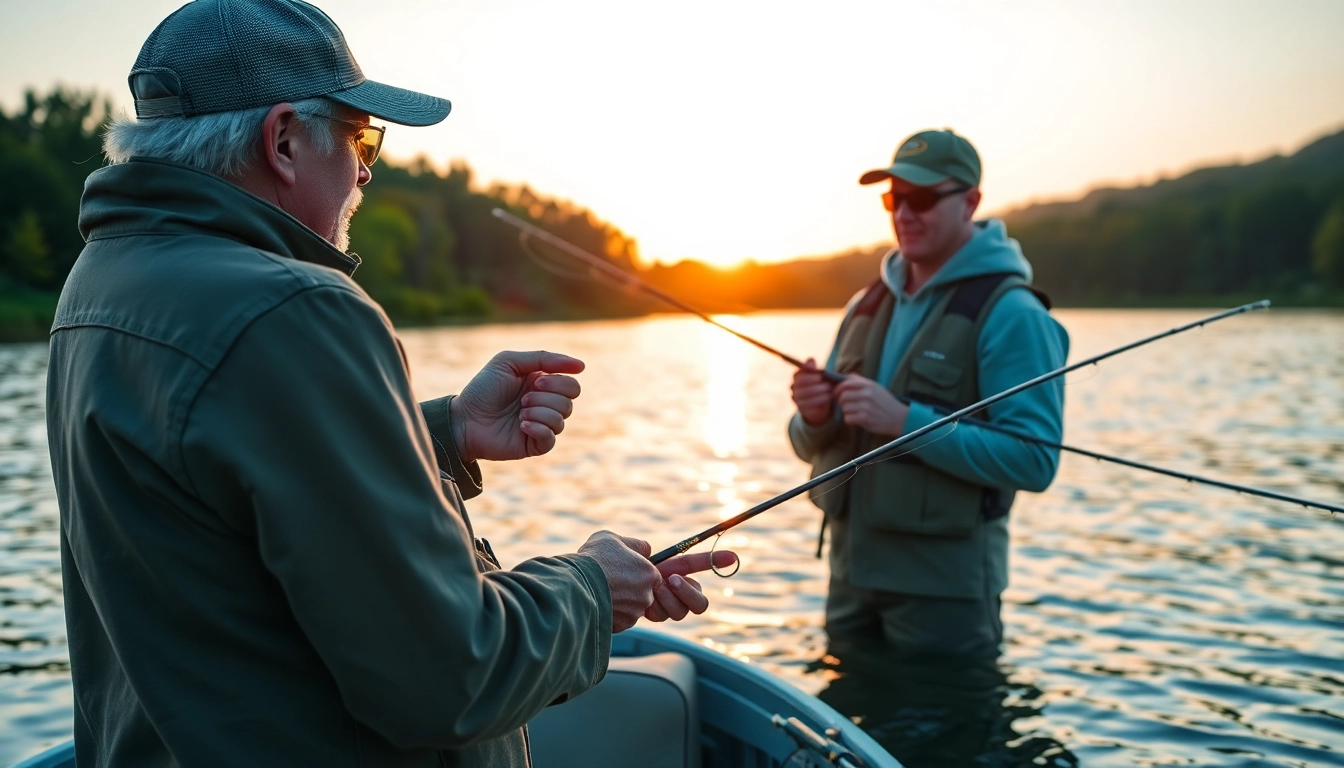
Fly fishing is an angling method that utilizes specially designed equipment to catch fish, primarily through the use of artificial flies. Fly fishing accessories encompass a wide range of tools that complement the fishing experience, enhancing an angler's ability to effectively cast their line and interact with the water environment. These accessories include everything from tackle boxes and leaders to nets and waders, each playing a significant role in the overall fishing process. By incorporating fly fishing accessories into their gear, anglers can improve not only their success rates but also their enjoyment of the sport.
Importance of Quality in Accessories
When it comes to fly fishing, the quality of your accessories is paramount. High-quality equipment can directly impact your success on the water. For instance, the right leaders can ensure that your fly lands correctly and naturally, while the durability of your waders affects your comfort and mobility. Investing in top-notch materials and craftsmanship translates to enhanced performance and longevity of the accessories. Cheap products might save money initially, but they often lead to frustration and poorer outcomes, urging anglers to reconsider their choices in favor of quality gear.
Types of Fly Fishing Accessories
There is a vast array of fly fishing accessories available, each serving its distinct purpose. Key types of accessories include:
- Tackle Boxes: Essential for organizing flies, leaders, and other small items.
- Waders: Necessary for staying dry and comfortable when wading in water.
- Nets: Important for safely landing fish once hooked.
- Tools: These might include nippers, forceps, and fly boxes, all of which play a role in the angling process.
- Indicators: Used to signal strikes when fishing.
Key Fly Fishing Accessories to Enhance Your Experience
Essential Tools Every Angler Needs
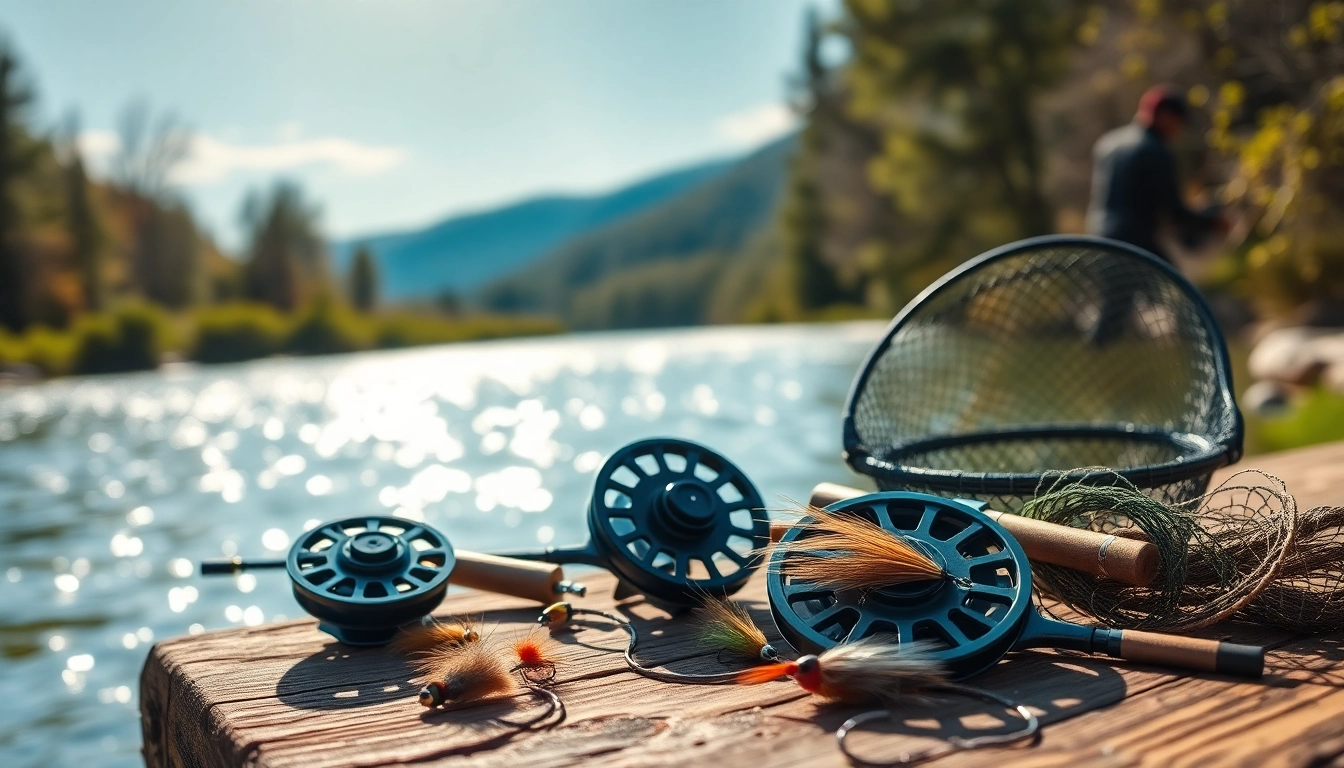
Every fly fisher needs a set of essential tools to maximize their effectiveness on the water. These include:
- Fly Rod: The backbone of fly fishing, designed to cast the lure into the water.
- Fly Reel: Manages the line and helps retrieve fish.
- Flies: These mimetically represent insects and other food sources, specifically engineered for different fish.
- Leaders and Tippets: Necessary for connecting flies to the main line while reducing visibility.
- Strike Indicators: Help detect when a fish picks up the fly.
Choosing the Right Fly Rod and Reel
Selecting the right fly rod and reel can significantly influence your angling experience. Factors to consider include:
- Length: Longer rods cast farther but may be cumbersome for beginners.
- Weight: Should match the size of fish targeted; lighter rods suit smaller fish.
- Action: Determines how much the rod flexes; fast action rods offer quick response but may require more skill to use.
- Reel Size: Must match the line weight and the species of fish being pursued.
Additional Gear for Optimal Performance
In addition to primary tools, various supplementary accessories can elevate your fly fishing experience:
- Waders and Boots: Essential for comfort and mobility in various water conditions.
- Sunglasses: Polarized lenses protect against UV rays while reducing glare on the water's surface.
- Fly Boxes: Help keep flies organized and easily accessible.
- Midges and Indicators: Useful for precise fishing in still waters.
- Landing Nets: Ensure a safe catch and release process.
Selecting Fly Fishing Accessories for Your Skill Level
Beginner Accessories for New Anglers
For novice anglers, a selection of basic yet effective fly fishing accessories is vital for learning and success:
- Combo Rod and Reel: A package that typically contains both components, specifically matched for beginners.
- Basic Flies: A starter kit with various patterns suitable for local waters.
- Lightweight Vest: Allows easy access to tools and accessories.
- Instructional Material: Books or online resources to learn techniques.
Intermediate Tools for Skill Improvement
Intermediate anglers often look toward specialized gear to refine their skills:
- Advanced Rods: Improved designs that offer better sensitivity and response.
- Variety of Flies: A broader selection catering to diverse species and fishing environments.
- High-Quality Waders: To ensure comfort during longer fishing excursions.
- Fishing Line: Varieties catering to different conditions and species.
Advanced Equipment for Professional Use
For professional anglers, the right accessories can mean the difference between a good day of fishing and a great day:
- High-End Rods: Tailored for specific types of fish and water conditions.
- Custom Flies: Flies designed for unique local patterns or species.
- Advanced Technologies: Such as sonar and fish-finding devices.
- Premium Tackle Boxes: For efficiently organizing a wide array of supplies.
Caring for Your Fly Fishing Accessories
Cleaning Tips for Longevity
The longevity of your fly fishing accessories largely relies on consistent care and maintenance. Proper cleaning after each trip is essential:
- Rinse waders and rods with fresh water to remove salt and debris.
- Dry all components thoroughly before storage to prevent mildew or rust.
- Inspect tools for wear and tear; replace as necessary.
Storage Best Practices
Proper storage of fly fishing accessories can prolong their life and enhance performance:
- Store rods in a protective case when not in use.
- Keep waders and other clothing items dry and in ventilated areas.
- Organize flies and small tools in tackle boxes to prevent entanglement.
Maintenance Guide for High-Quality Performance
Regular maintenance is crucial for ensuring that your fly fishing accessories operate at peak performance:
- Regularly check reels and lines for frays or tangles.
- Periodically lubricate reels to ensure smooth operation.
- Replace worn leaders or tippets to maintain effectiveness.
Frequently Asked Questions About Fly Fishing Accessories
What are the must-have fly fishing accessories?
Essential accessories include a fly rod, reel, lines, tippets, and flies. These tools are crucial for successful fly fishing.
How do I choose the right fly rod?
Your rod choice depends on the type of fish, the water body, and your skill level. Light rods are great for small streams, while heavier rods suit larger bodies.
Can I use regular fishing gear for fly fishing?
No, fly fishing requires specialized gear that allows the fly to be cast efficiently. Regular fishing gear won't provide the proper technique.
How should I maintain my fly fishing accessories?
Regular cleaning, proper drying, and careful storage prevent rust and damage, ensuring your accessories last longer.
Are there eco-friendly fly fishing accessories available?
Yes, many brands offer biodegradable or sustainable fishing products. They minimize environmental impact while fishing.